-1.png)
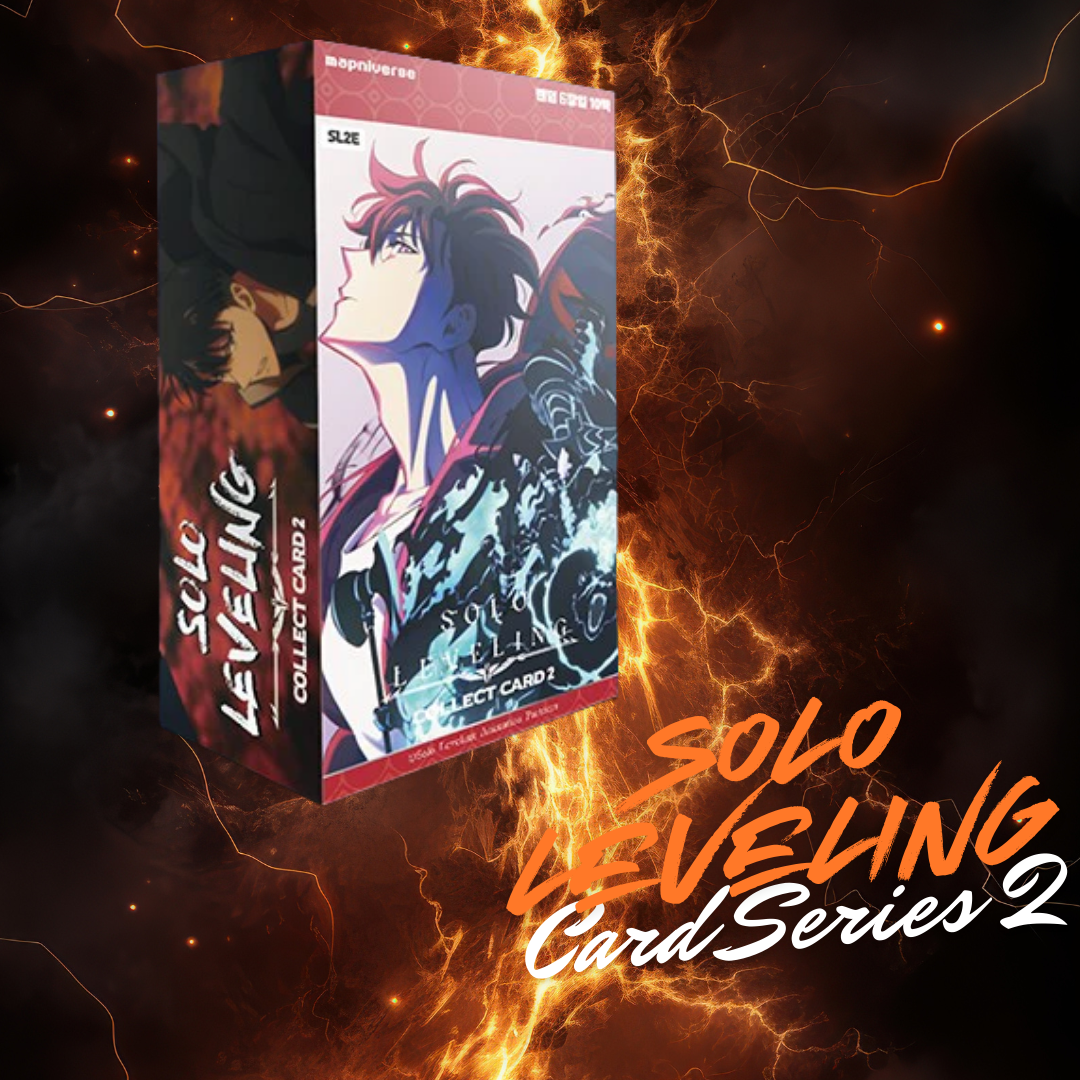
Collect Card Series represent a specific segment of the collectible card market that exists outside traditional game systems. They are not primarily about playing — they are about collecting, visual appeal, rarity, and community.
Globally, these products are often referred to as “non-sport cards”, meaning they are not sports cards and not necessarily part of a playable trading card game. Within anime communities, you may also hear terms like “waifu cards” or “husbando cards”.
Unlike traditional trading card games such as Pokémon TCG or Yu-Gi-Oh!, Collect Card Series focus on artwork, print quality, limited editions, and completing sets rather than competitive gameplay.
The Roots: Japan as the Foundation
Japan is the birthplace of modern anime card collecting culture. In the 1990s, alongside the boom of trading card games, purely collectible card series began to emerge — products without gameplay mechanics.
Franchises like Demon Slayer, One Piece, and Dragon Ball proved that fans wanted high-quality illustrations of their favorite characters even without a competitive system.
- High-precision printing
- Advanced holographic layering
- Textured surfaces
- Complex rarity structures
The Korean Model: Accessibility and Idol Culture
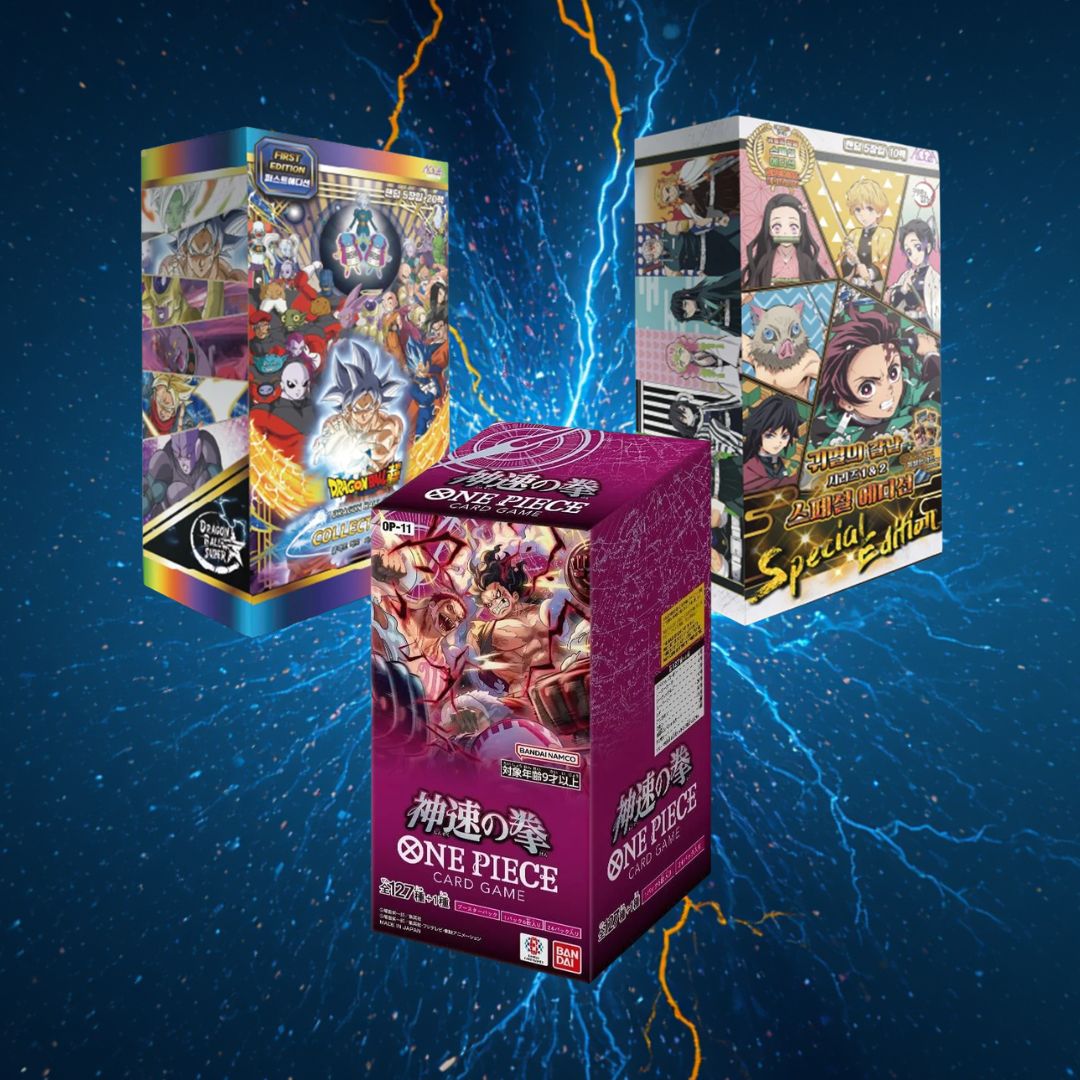
Korea adopted the Japanese model and expanded it through its powerful idol photocard culture. K-Pop photo cards became a parallel collectible market.
- More affordable pricing
- Larger print runs
- Different packaging structures
Korean releases often serve as an entry point into Collect Card Series due to lower upfront costs.
The Chinese Dragon Enters the Scene: Kayou and Beyond
China has become a major force in the Collect Card Series market. Companies like Kayou secured official licenses for major franchises including Naruto, Marvel, and Harry Potter.
- Extremely high print quality
- Complex rarity systems (CR, OR, AR)
- Wide distribution
- Competitive pricing
Chinese editions are increasingly influential globally and often offer strong visual value at accessible price points.
Types of Collect Card Series
Standard Series
Basic sets with traditional rarity structures.
Premium / Special Editions
Higher quality materials and often guaranteed higher-rarity pulls.
First Edition
Initial print runs that may hold stronger collector appeal.
Anniversary / Event Editions
Special releases tied to franchise milestones.
Character-Focused Series
Popular “waifu” or character-based collections like Goddess Story.
Mainstream Licensed Series
Marvel, Star Wars and other global brands reaching wider audiences.
Understanding the Rarity System
- C (Common)
- R (Rare)
- SR (Super Rare)
- CR / OR / AR (Premium rarities)
- Textured (raised surface)
- Die-cut (custom shape)
- Embossed (layered design)
- Gold Foil (metallic finish)
Some boxes guarantee premium pulls (for example 1 SR per box), which increases excitement and perceived value.
The Gacha Effect
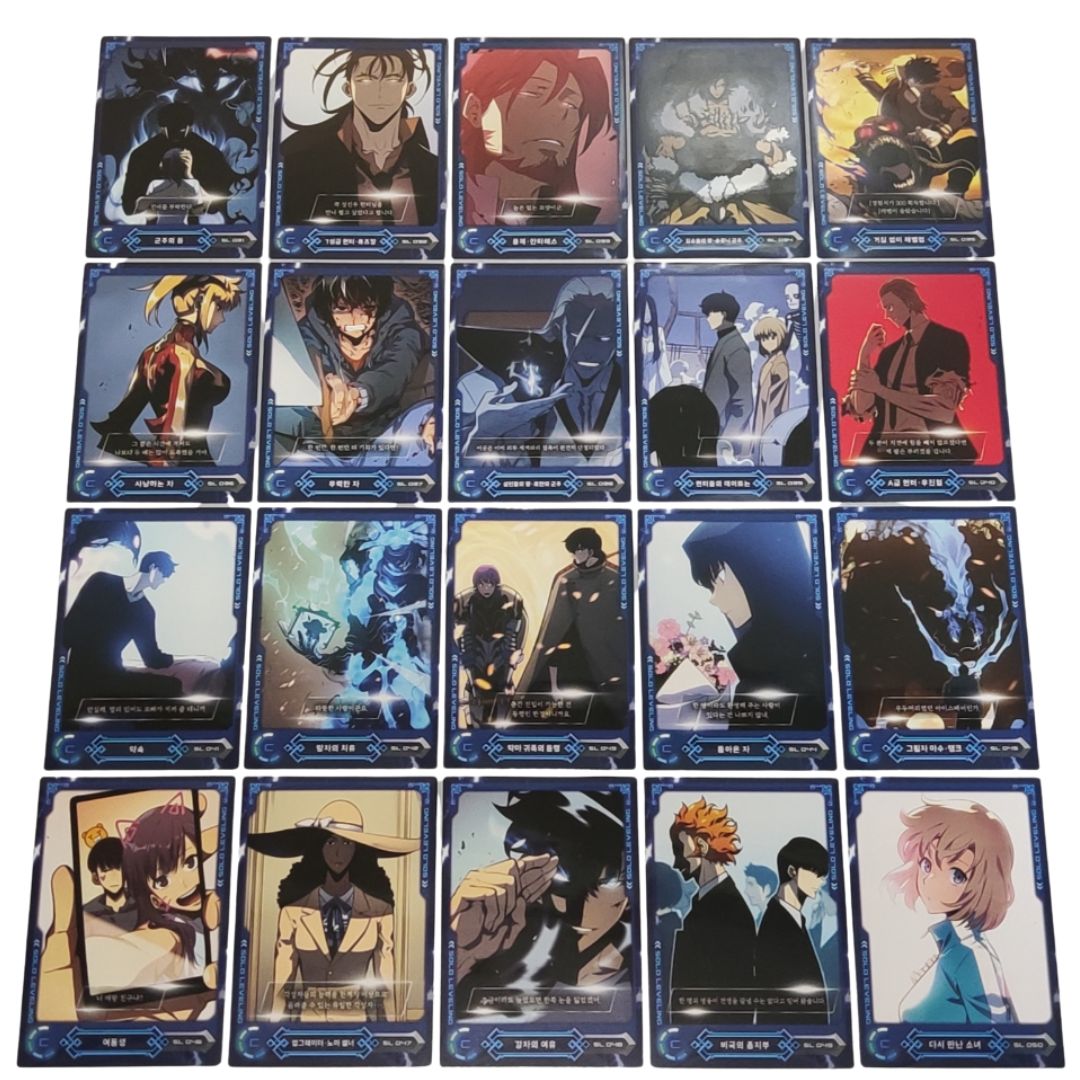
Collect Card Series operate similarly to gacha-style mobile games. Each pack is a mystery. The emotional thrill of opening sealed products is part of the experience.
Community and Live Break Culture
Platforms such as Whatnot, TikTok Live and Instagram Live have popularized “breaks” — live openings where streamers open boxes and distribute packs to buyers.
This transforms opening cards into entertainment and strengthens community engagement.
How to Identify a Valuable Card
- Centering — even borders
- Surface — no scratches
- Edges and corners — no whitening
- Print accuracy — no misalignment
Beware of Fakes
Many unofficial metallic or plastic “gold” cards exist online without proper licensing. Without a verified license holder, products likely have no real collectible value.
Investment Potential — With Caution
Collect Card Series can be volatile. If a new trendy edition appears, older releases may lose significant value quickly. Market cycles are heavily driven by hype.
Final Thoughts
Collect Card Series originated in Japan, expanded through Korea, and are now strongly influenced by China. They represent a modern intersection of fandom, aesthetics, and collectible culture.
If you are interested in exploring officially licensed Collect Card Series products, you can browse available releases here: