-1.png)
Investing in Pokémon cards can be a good idea — but only in certain situations. Pokémon is an alternative, growth-oriented, speculative and volatile asset that does not react to economic indicators, but mostly to collector demand, trends, print runs and nostalgia. It can be very profitable, but it is not a stable investment. The outcome depends on which Pokémon products you purchase.
Historical Performance of the Pokémon Market (Real Data)
Pokémon TCG (sealed + singles)
Vintage sealed boxes (WOTC, EX, BW):
+300–1500% over 10–20 years
Modern sealed after OOP (XY, SM, SWSH):
+40–200% over 2–5 years
Chase singles (PSA 10):
+80–600% over 5–10 years
On the other hand: some modern sets grow only 0–10% per year, modern editions carry reprint risk, and singles are extremely sensitive to community sentiment and demand.
→ Pokémon has real potential for multiples (x3–x10), but it is a speculative market with higher risk.
Should I Buy Japanese or English Pokémon Cards?
The choice between Japanese and English Pokémon cards is one of the first questions new collectors ask. Both versions offer quality collectible material, but they behave differently on the market — they differ in print quality, price, demand, availability, and how easily they can be sold.
Japanese cards are popular with collectors because their production quality is consistently very high. They have better cutting, fewer defects and often richer colors, which increases the chance of receiving a high grading score. They also tend to hold value more consistently than English equivalents.
English cards benefit from a huge global market — the USA, Europe and Australia form the largest TCG community in the world. Because of this, demand for English cards is typically higher and they sell more easily, even though print quality is often worse compared to Japanese releases.
Beyond these two markets, Korean and Chinese editions also exist. They are more affordable and great for hobby collectors who enjoy opening boosters. Their print runs are not infinite, so even these products can appreciate over time — just usually slower than JP/ENG.
Whichever language you choose, the most important factor is not the language itself, but the strength of the set and the popularity of its main chase cards.
Should I Buy Sealed Products or Single Cards?
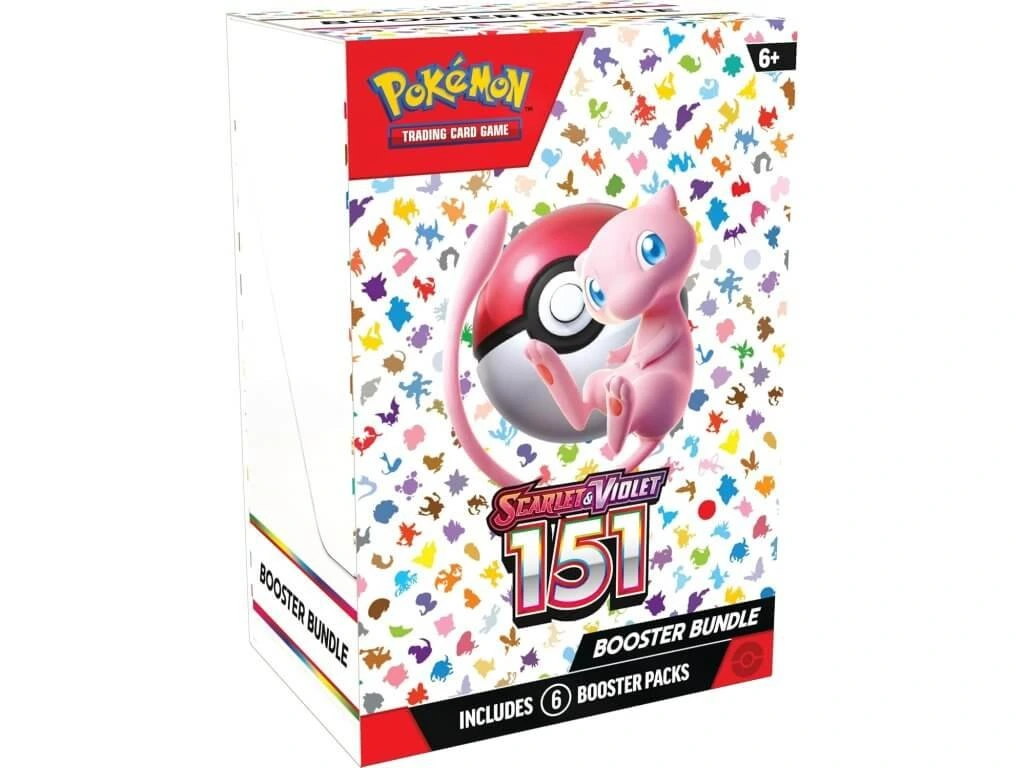
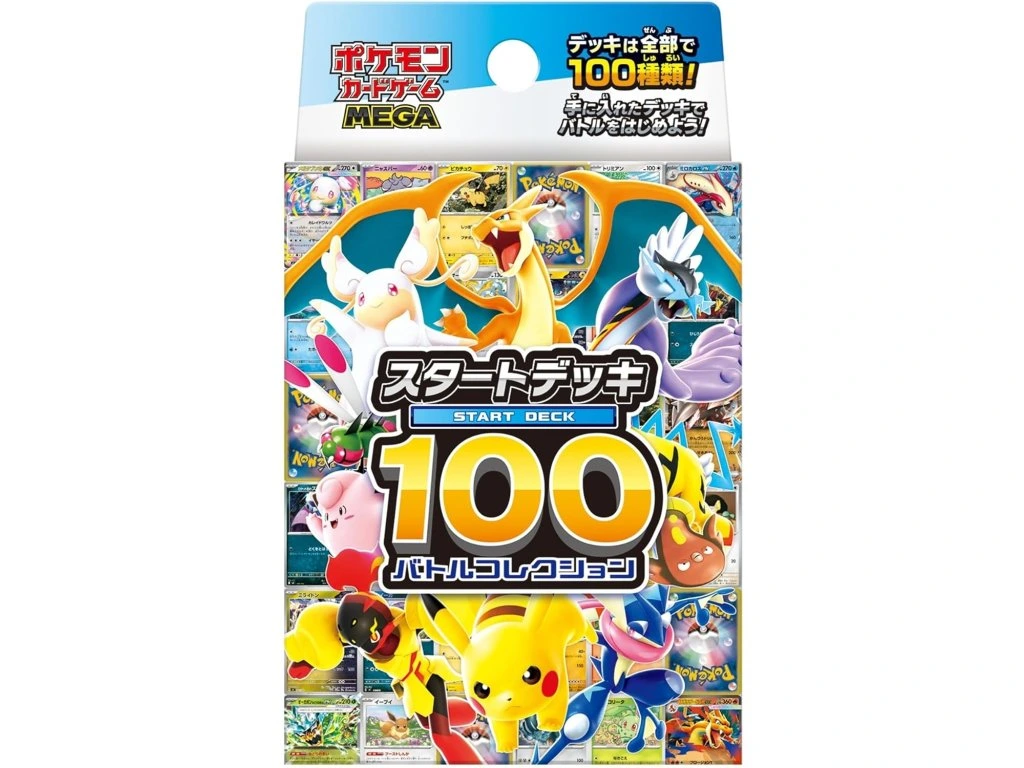
The choice between sealed products and single cards depends primarily on your investment goal, how much risk you want to take, and how well you understand the Pokémon market. Both options have their advantages — they just work very differently.
First, one rule: the strength of the set and the specific Pokémon matters a lot. Sets with iconic Pokémon like Charizard, Pikachu or the Eeveelutions generally grow better long-term than sets with less popular themes.
Sealed Products: More Stability and Lower Risk
Sealed products (booster boxes, ETBs or special collections) grow more slowly, but more steadily. Once a set stops being printed, the supply of sealed products decreases and collector demand increases.
Main advantages: long-term stability, lower volatility, easy resale, and no need to track individual card trends. Disadvantages: higher initial investment, reprint risk, and the need for storage space.
Important: With sealed products, there is almost no scenario in which buying at MSRP results in a long-term loss — short-term dips may happen, but long-term growth is historically consistent.
Single Cards: Higher Potential, Higher Risk
Individual cards — especially chase cards or PSA-graded examples — can appreciate extremely fast, but can also drop significantly. Singles depend on demand, supply and community trends.
Advantages: low entry cost, potential for high returns, flexible selling and easy storage. Disadvantages: high volatility, risk of damage or fakes, and the need to track the market.
How to Choose the Best Pokémon Products for Investment
Choosing the best Pokémon products for investment is not just about chasing whatever set is currently “hyped.” The key is understanding long-term market behavior, the reputation of each set, and the demand among collectors and players.
The biggest factor is the main chase card and overall Pokémon popularity within the set. Iconic Pokémon (Charizard, Pikachu, Eeveelutions) have a larger fanbase and typically stronger long-term demand.
Another factor is the print run — how many products were actually printed. Modern sets often have large print runs, which slows price growth. Limited or hard-to-get products (e.g., Japanese high-class boxes or seasonal collections) usually grow faster.
Among all product types, booster boxes and Elite Trainer Boxes (ETBs) perform best, as they have the strongest demand among both collectors and investors.
What Is the Best Pokémon Set to Invest in for 2026?
When it comes to modern sets in 2026, patience pays off most. Do not buy products on release day when prices are inflated by hype — wait until prices return to MSRP.
Looking at the last ~10 modern sets (Shrouded Fable, Stellar Crown, Surging Sparks, Prismatic Evolutions, Journey Together, Destined Rivals, White Flare, Black Bolt, Mega Brave, Phantasmal Flames), it’s clear which have stronger fundamentals.
- Mega Brave
- Phantasmal Flames
- Destined Rivals
- Prismatic Evolutions
- Surging Sparks
Prismatic Evolutions is massively printed, but the chase cards are so strong that it still has long-term potential despite the large print run.
Weaker sets include Journey Together, Night Wanderer, White Flare, Black Bolt and Stellar Crown.
I’m a Complete Beginner — What Should I Buy First?
If you're starting from zero, the best choice is a booster box or ETB from a modern set sold near MSRP with strong chase cards. Avoid day-one hype prices — wait until the set stabilizes.
How Long to Hold Pokémon Investments and When to Sell
Most value in Pokémon investing comes with time. Sealed products typically need 1–3 years to rise above MSRP and 3–6 years to show meaningful growth. The best time to sell is when the set is OOP and its price rises steadily.
Singles, on the other hand, are often best sold during hype — when the card gets renewed attention.
If a reprint happens, don’t panic — strong sets almost always recover eventually.
What You Should NOT Buy
From an investment standpoint, the best choices are booster boxes, ETBs and limited products. I do not recommend buying:
- single boosters
- sleeved boosters
- blister packs
- triple packs
- battle kits
- starter decks
- theme decks
What I Personally Hold Right Now (2026)
Right now, I hold a mix of modern products with strong long-term potential:
- 151 Booster Bundles
- Destined Rivals Booster Bundle
- Prismatic Evolutions Booster Bundle
- Limited editions
- Detective Pikachu promo
- Yunagaba Pikachu & Eevee promo pack
- Japanese 151 Booster Box
- Terastal Festival (JP)
- Inferno X (JP)
- Mega Brave Booster Box
- Crown Zenith collection box
- Team Rocket (JP)
Next plan: Mega Dream (JP) at MSRP.
Conclusion: Smart Pokémon Investing Starts With What You Truly Like
Investing in Pokémon cards makes sense when you choose products strategically — based on demand, rarity, long-term potential and low reprint risk. But it is equally important to buy what you genuinely enjoy.
When you buy what you love, you never lose.
Whether you're a beginner or an experienced collector, follow new releases, limited boxes and products with long-term potential — the most important thing is to enjoy the hobby.